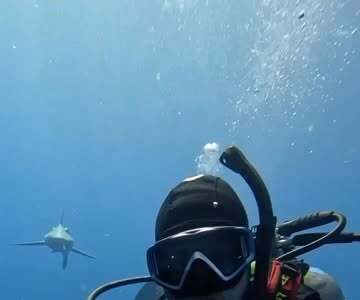
The short answer. On a first scuba dive you complete a short medical questionnaire and briefing, get fitted into rental gear, practice a few basic skills in shallow water, then take a supervised dive with an instructor in 15–25 feet of calm water. No certification or experience is required, and the instructor controls depth, route and timing. Almost all the apprehension people feel beforehand disappears within the first two minutes underwater.
Before you get wet: 30 minutes of unglamorous admin
Nobody photographs this part, but it is what keeps a first dive boring in the best sense.
- The medical questionnaire. Five minutes of honest yes/no answers. Anything flagged (asthma, heart conditions, certain medications, recent surgery) means a physician’s written clearance first. It is a formality for most people, and the single most important one.
- The briefing. Hand signals, how the regulator works, how to clear your ears, what to do if water gets in your mask, and — most importantly — how to get an instructor’s attention if you want to stop. One hand signal means the whole thing ends safely at your call.
- Gear fitting. Wetsuit, BC, regulator, mask, fins, weights. Expect it to feel tight and slightly awkward on land. Wetsuits are supposed to grip; a mask is supposed to seal. If something is genuinely uncomfortable, say so — that is a fitting problem, not a you problem.
- The weight check. Where the difference between floating like a cork and sinking like a stone gets sorted out. Take it seriously; good buoyancy later starts here.
The first breath underwater
This is the moment people assume will be terrifying, and the moment almost nobody panics. It is quiet. Breathing through a regulator is easier than expected, and the instinct to hold your breath is not nearly as strong as you would think. What usually surprises first-timers instead is how normal the water feels once you are not fighting it.
If it does not feel normal, the fix is to say so at the surface before descending, not to force it. A first dive is 100% at your pace and any instructor worth the fee will stop instantly — that is what the hand signal is for.
The three things beginners actually worry about
These three come up in every first-timer conversation, so here they are with the honest answers.
“Will my ears hurt?”
They can, if you go down without equalising. Clearing your ears — pinching your nose and gently blowing, or swallowing — is a skill you already use on aeroplanes. Do it early and often, before it hurts, and take the descent slowly. Equalising on the way down is easy; trying to fix pain at the bottom is not. Tell the instructor immediately if one ear refuses to clear, and it becomes a shallow first dive instead of a painful one.
“What if my mask floods?”
It will, at least a little, mostly from a stray smile or a badly-seated regulator strap. Mask clearing gets practised in shallow water before the dive and takes a few seconds: look up, breathe in through your mouth, lift the seal, blow out through your nose, reseat. It is a drill, not an emergency.
“Can I actually control where I am?”
Buoyancy is the honest answer to why good instruction matters more than good gear — it takes a few dives to stop yo-yoing, and the fastest way to learn is fewer divers per instructor and more repetitions. Nobody masters hovering on day one, and nobody is expected to.
The dive itself, in Florida water
For a first-timer, an instructor will normally choose shallow, sheltered, sandy bottom: 15–25 feet, easy entry, nothing overhead. On the Gulf coast off Venice and Sarasota that means a beach entry over sand flats and low ledges, with fish, crabs, the occasional ray or nurse shark, and fossil teeth sitting on the bottom for anyone paying attention. On the Atlantic side it might be a shallow reef or wreck in 20–30 feet instead. Inland, the springs offer constant 72°F water, no swell and visibility that makes a first dive feel like floating in an aquarium.
Expect 30–45 minutes underwater on a first dive, governed by your air consumption and comfort rather than a schedule — first-timers almost always breathe faster than they need to, which is fine and expected. Your instructor monitors air, depth and time the whole way.
How to make your first dive a good one
The controllable variables, roughly in order of impact:
- Fewer people in the water. A first dive one-on-one, or with two other divers, is a completely different experience from a cattle-call introduction dive. This is the single biggest lever.
- Pick calm, shallow, warm water. Morning dives are usually flatter than afternoon. In Florida, late spring through early autumn is the easiest water of the year for a beginner.
- Sleep, eat something, skip alcohol. Unglamorous and decisive: fatigue and a hangover both make equalising and air consumption measurably worse.
- Say what you are worried about. Instructors plan around anxiety constantly; hiding it just means nobody prepares for it.
- Do not schedule a flight or a long drive afterwards. Nobody can predict exactly how long you will want to stay in.
If the first dive goes well, the usual next step is a certification course — and it counts. The skills practised on an introductory dive are the same ones the course opens with.
Questions about your own situation?
Tell Kaitlyn where you are, how many divers, and what you have dived before. She answers personally — and tells you honestly if a course elsewhere suits you better.